



When you’re planning a home upgrade in the Reno-Tahoe area, Luxury Vinyl Plank (LVP) is often at the top of the list. It’s durable, looks beautiful, and handles the footprints of an active Nevada lifestyle. But as you prepare for installation, one question always comes up: Do I really need to put an underlayment down underneath my new luxury vinyl planks?
The short answer is: It depends on your specific planks and your subfloor.
At Frankful Flooring LLC, we believe a great floor is built from the ground up. Let's look at the technical facts so you can make the right decision for your Sparks home.
Does My LVP Even Need Underlayment?
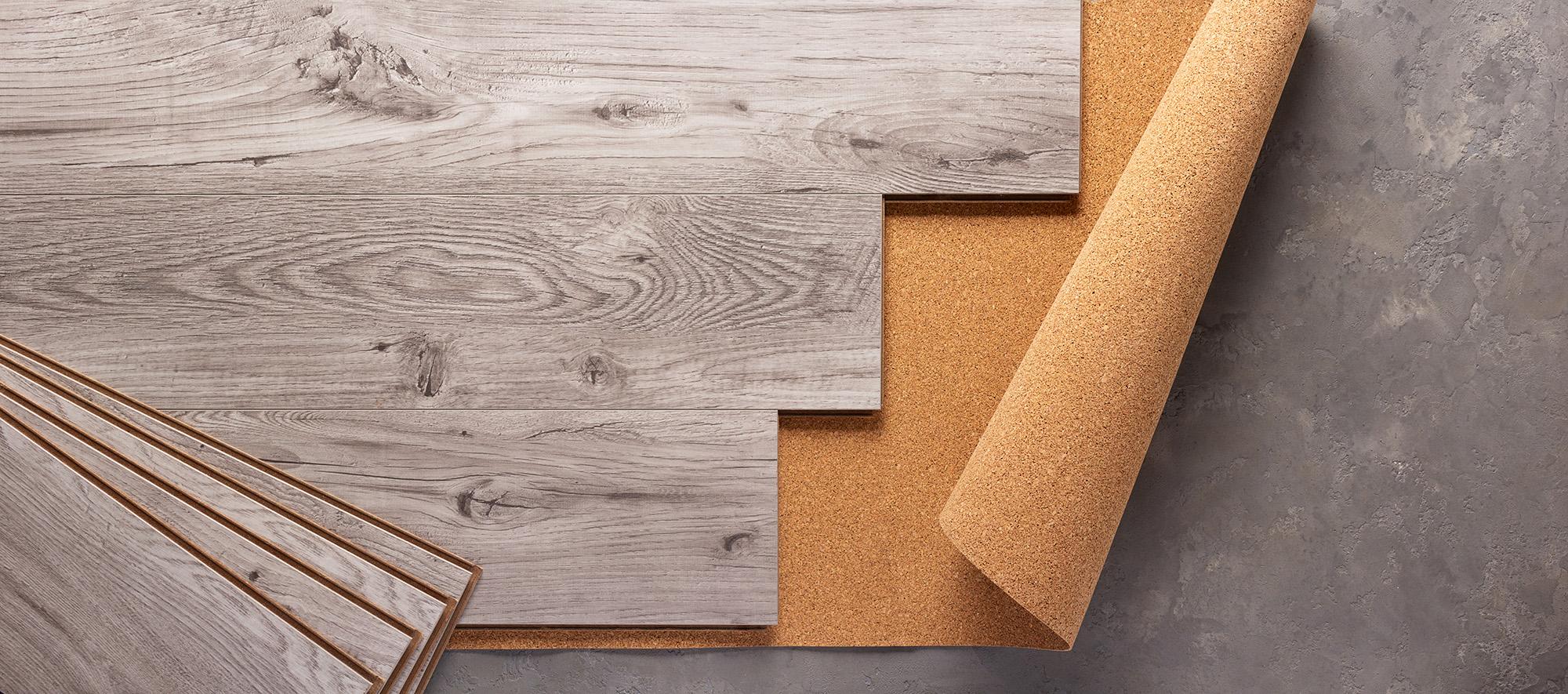
1. Check Your Planks: Is a Pad Already Attached?
The very first thing to do is look at the back of your luxury vinyl planks.
Attached Padding: Many modern, high-quality LVP products come manufactured with a built-in, pre-attached underlayment cushion (often made of cork or high-density IXPE foam). If your flooring already has this backing, you generally do not need a separate underlayment layer.
No Attached Padding: If you chose a more budget-conscious, traditional flexible vinyl plank that has a bare back, an underlayment is highly recommended to provide structural support, stability, and acoustic dampening.
Expert Warning: If your LVP has a pre-attached pad, adding a second, thick foam underlayment can actually ruin your floor. It creates too much "bounce" and flex under heavy loads, which puts stress on the click-lock mechanisms, causing the joints to separate over time and potentially voiding your manufacturer warranty.
2. Evaluate Your Subfloor: Concrete vs. Plywood
In the Sparks and Reno area, your home’s subfloor dictates your installation strategy.
Concrete Subfloors (Popular in Slab-on-Grade Homes)
Concrete is incredibly hard, unforgiving, and acts like a sponge for ground moisture. If you are installing LVP directly over a concrete slab, a separate layer is often essential—but it might not be the kind of "padding" you think.
The 6-Mil Vapor Barrier: Even though luxury vinyl planks feature a waterproof surface, subfloor moisture vapor rising up through a concrete slab can get trapped. This trapped moisture creates a breeding ground for mold, mildew, and odor under your floor. If you have an attached pad on your LVP, you still need to lay down a 6-mil polyethylene plastic vapor barrier over the concrete before installing your planks.
The Comfort Factor: Vinyl does not conduct heat. This physiological trait means it naturally feels warmer underfoot than ceramic tile because it won't aggressively pull heat away from your bare feet. However, adding a thin, dense, approved rubber or foam underlayment over raw concrete can provide a thermal break and a touch of anti-fatigue cushioning.
Plywood or OSB Subfloors (Common in Multi-Story Homes)
Wood subfloors are naturally warmer and more forgiving than concrete, meaning a moisture vapor barrier is rarely necessary. Instead, your main goals with a wood subfloor are smoothing out minor subfloor imperfections and silencing the home.
Acoustic Insulation: If you are remodeling a second-story bedroom in Sparks or a multi-level vacation home up in Incline Village, footfall noise can easily echo downstairs. A dense underlayment (like cork or felt) acts as an excellent acoustic barrier, deadening the "click-clack" sound of footsteps or pet nails.
How to Determine Your Next Steps for Your LVP Installation
Before you purchase materials, follow this simple checklist to ensure a perfect installation:
Inspect the Product Specs: Check for an attached pad.Review the packaging or consult our team to see if your chosen LVP includes a pre-attached backing. If it does, cross standard padding off your shopping list.
Test and Prep the Subfloor: Clean, flat, and dry. Ensure your subfloor is completely level. Sweep up old construction debris, mortar, or dust. Any bumps greater than 3/16" over a 10-foot span must be leveled out first.
Address Moisture Requirements:Essential for concrete slabs. If laying floors over concrete or below-grade surfaces (like a basement), roll out a 6-mil poly vapor barrier. Overlap the seams by 6 inches and tape them tight.
Lay the Approved Underlayment:Keep it thin if adding extra layers. If your LVP requires a separate underlayment, choose a dense material (like 1mm to 2mm high-density foam or rubber) specifically approved for vinyl click-lock systems to preserve joint integrity.
Let the Local Experts Help You Out
At Frankful Flooring LLC, we are proud to be a family-owned, BBB-accredited business serving our community across Sparks, Reno, Incline Village, Verdi, and Carson City. From high-end luxury remodels to budget-conscious updates, our local experts are on hand to guide you through every technical spec, warranty guideline, and design trend.
Don't guess on your subfloor prep. Let us take care of it.
Call Frankful Flooring LLC today for your free estimate and expert advice!
Visit Our Sparks, NV Showroom
Address: 100 East Glendale Avenue Sparks, NV 89431
Phone: (775) 383-6080
Underlayment Frequently Asked Questions (FAQs)
Q: If my LVP has a pre-attached cork backing, can I still use an additional foam underlayment to make the floor feel softer?
A: We highly recommend against doing this. It’s a common misconception that more padding equals a softer, better floor. When you stack a second foam underlayment beneath a plank that already features a built-in cork or IXPE pad, you create too much "give" and structural flex. Every time you step down, the joints bounce.
Over time, that constant vertical movement strains and breaks the thin click-lock mechanisms, causing your seams to separate or squeak. To protect your investment and keep your manufacturer warranty intact, stick to a flat, solid subfloor or a simple 6-mil poly vapor barrier if you're installing over concrete.
Q: Do I need a vapor barrier under my luxury vinyl planks if my Sparks home is built on a concrete slab?
A: Yes, absolutely. Even though luxury vinyl planks feature a waterproof surface and non-porous cores, a concrete slab acts like a giant stone sponge that constantly draws moisture vapor up from the earth. If you click your planks directly over raw concrete, that rising vapor gets trapped underneath.
Over time, this trapped moisture creates a perfect breeding ground for mold, mildew, and unpleasant odors—which can ruin your subfloor and the backing of your new flooring. Whether your LVP has an attached pad or not, rolling out a high-density 6-mil polyethylene plastic vapor barrier over concrete is an essential step to keep your home healthy and dry.


