


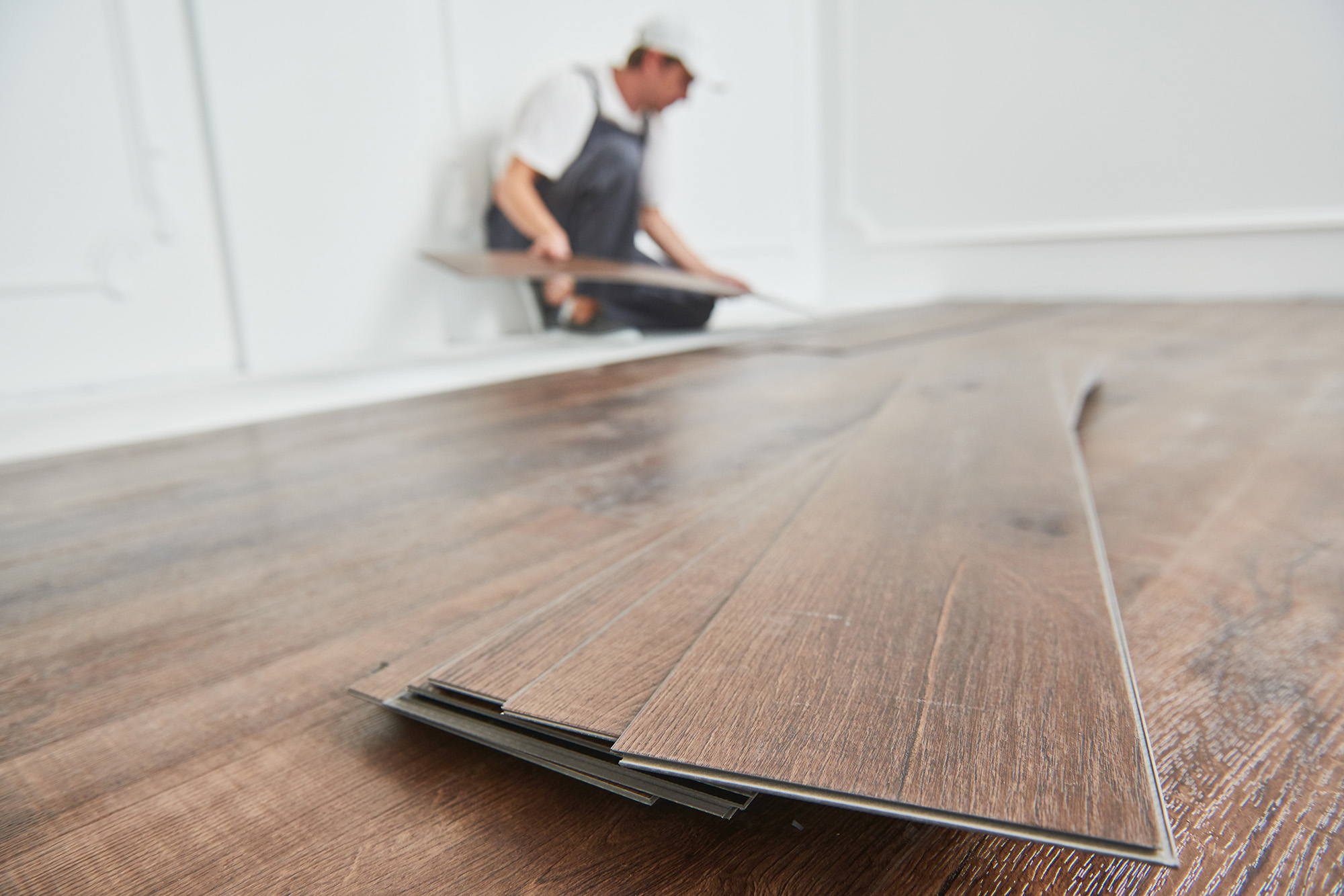
Sparks and Spanish Springs ranch homes often inspire floor updates that skip the dust, noise, and expense of a complete tear-out. Knowing what type of floors you can float a floor over helps you plan a clean renovation while protecting your new planks from premature wear. Modern click-lock luxury vinyl and laminate float successfully over several hard surfaces, but your existing base must provide a flat, rigid foundation to support daily foot traffic.
Open-concept living rooms across the valley connect front entries directly to kitchens and back patios. These wide layouts put every footstep on display. Before you choose your new plank style, you need clear facts on which existing floors make a dependable base and which surfaces must leave your home first.
Hardwood Floors as a Base for Floating Planks
Solid hardwood and engineered wood boards create an excellent foundation for floating luxury vinyl or laminate. Established homes throughout the Reno and Sparks corridors often feature continuous original hardwood that you can update without destroying the classic wood underneath.
Secure surface boards: Your existing wood floor must sit tight against the subfloor without squeaks, vertical flex, or popped fasteners.
Smooth board profile: High ridges or cupped board edges call for light sanding so your new planks rest flat across the entire room.
Perimeter wall clearance: Natural wood shrinks when your furnace runs during dry winter months, so your new floating planks need perimeter space beneath baseboards to move naturally with indoor humidity shifts.
Covering sturdy hardwood gives your main floor a fresh Mountain Modern or Desert Contemporary appearance while preserving the original structure below.
Sheet Vinyl and Flat Linoleum
Smooth sheet vinyl and well-bonded linoleum provide a clean, quiet surface for floating click-lock planks. Many homes near the Sparks Marina feature original sheet vinyl across kitchens, laundry rooms, and utility spaces.
Glued perimeter edges: Your existing vinyl must stay glued down flat across every corner without air bubbles, loose seams, or curling edges.
Dense surface build: Standard single-layer vinyl provides a firm base that will not compress under heavy living room couches or kitchen islands.
Clean flat finish: Scrape away any dried adhesive, dirt, or loose patches before you set new planks over the old floor.
Letting well-bonded vinyl stay in place saves substantial demolition labor and keeps old adhesive dust out of your home. But if your kitchen features thick, cushioned sheet vinyl, that soft material must come out. Cushioned flooring flexes under heavy footsteps, which causes the locking joints of your new floor to crack.
Concrete Slabs Across Single-Story Layouts
Slab-on-grade concrete foundations common in Sparks and Spanish Springs ranches offer a solid, rigid base for floating planks. Rigid-core luxury vinyl handles the strong afternoon sunlight pouring through your back patio sliders without warping or shifting.
Flat foundation profile: Your concrete base must sit flat so your new planks do not bridge over low dips or rock across high spots.
Attached acoustic underlayment: Rigid-core planks with attached foam pads soften footfalls and mute hollow tapping sounds across wide living areas.
Clean surface sweep: Clear away all drywall compound, dried paint, and tracked-in foothill dirt so your new planks make full contact with the slab.
A smooth concrete base keeps your floating floor quiet and comfortable underfoot through cold winter mornings and hot summer afternoons.
Flooring Surfaces You Must Remove First
Certain floor coverings lack the firmness or structure needed to support a floating floor. Laying rigid planks over unstable surfaces leads to separated joints, broken click mechanisms, and costly repairs down the road.
Wall-to-wall carpet: Never float hard planks over carpet or carpet padding because the flexible fibers give way under foot traffic and snap the locking joints.
Existing floating floors: Never stack a new floating floor on top of an old floating floor because two unattached surfaces shift against each other, creating ripples and loud squeaks.
Damaged subfloor panels: Soft subfloors, rotted boards, or broken floor bases must come out completely before any new material goes down.
Taking the time to pull up old carpet down to the bare wood or concrete ensures your new floor looks sharp and lasts for decades.
Trust the Professionals at Frankful Flooring
Evaluating your current floors calls for honest guidance and an experienced local eye. Our in-house crews manage every phase of your project from start to finish, including moving heavy furniture, hauling away old carpet, flattening subfloors, and fitting clean baseboards. Stop by our showroom at 100 East Glendale Avenue in Sparks to see durable luxury vinyl and laminate samples in person, or contact us to schedule your in-home measurement and consultation.


